





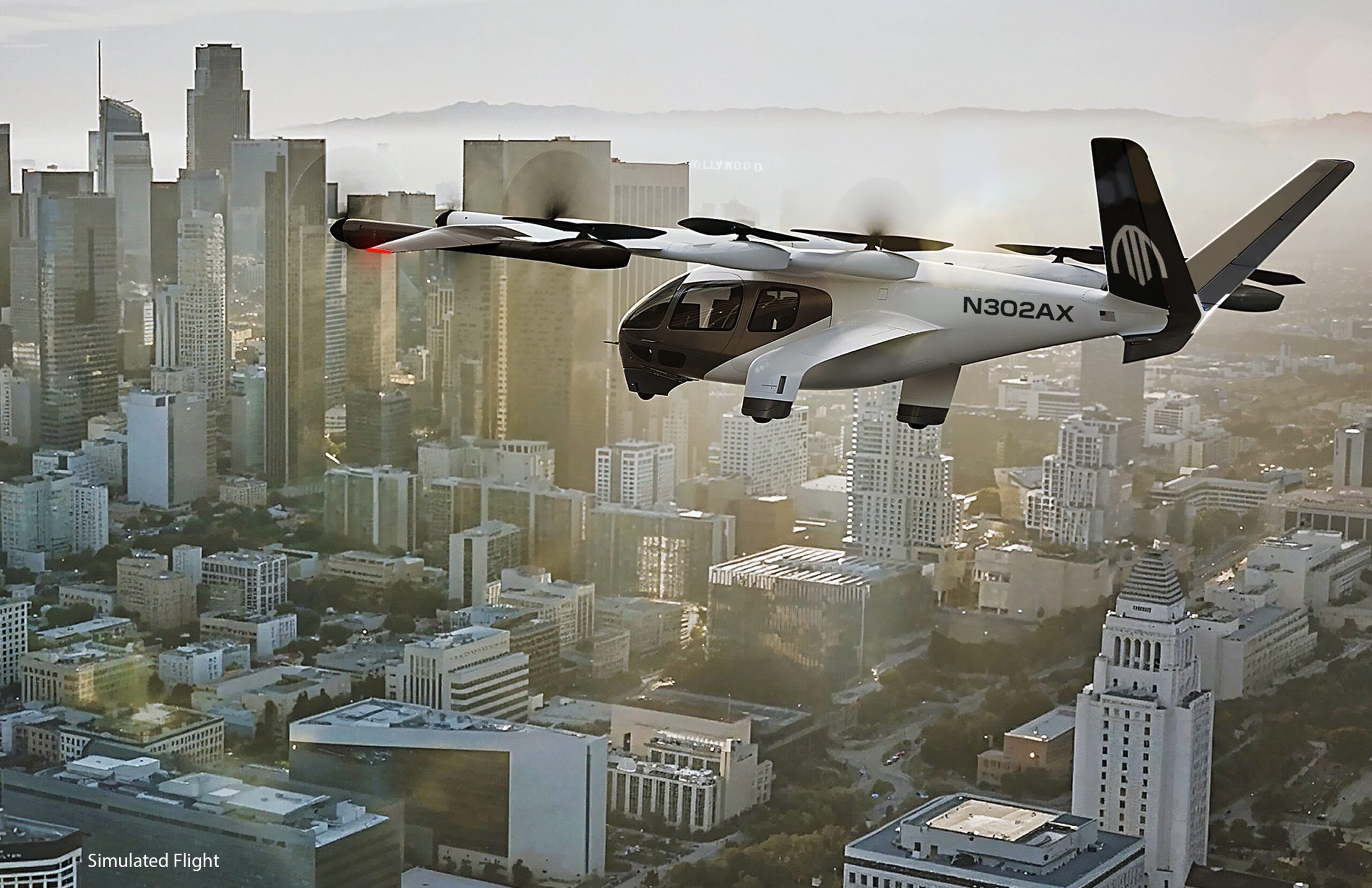

With eVTOL developers like Archer targeting the 2028 Los Angeles Olympics as the debut of on-demand aerial mobility, the FAA’s proposed Part 108 BVLOS rule may be the regulatory bridge that connects drone operations to crewless passenger transport. Automation, manufacturing standards, and system-level reliability in Part 108 could redefine what “pilot in command” means for the next generation of aviation.
From Remote Pilots to Autonomous Aviation
Part 108 may do for unmanned aviation what Part 23 did for general aviation.
For years, the drone industry has called for a rule that enables scalable beyond-visual-line-of-sight operations. The Part 108 Notice of Proposed Rulemaking (NPRM), released earlier this year, introduces just that—a structure that brings drones into closer alignment with traditional aviation through certification, maintenance and manufacturing oversight. By allowing aircraft up to 1,320 pounds to operate under networked remote ID and standardized reliability criteria, the FAA is signaling that the line between “unmanned” and “manned” is blurring faster than many expected.
Automation as the Driver of Scalability
Part 108 prioritizes system-level automation over pilot proficiency. The logic mirrors commercial aviation today: software governs flight management, humans monitor the system. For drone operations, the ratio could soon invert—autonomous systems in control, remote human supervisors ensuring compliance and safety. This framework enables a level of consistency that’s impossible when every mission depends on an individual pilot’s skillset. And that consistency is exactly what companies like Archer Aviation need to scale air-taxi networks safely across metropolitan airspace.
LA 2028: A Global Stage for Autonomy
Archer Aviation, backed by a mix of investors and strategic partners like United Airlines, Boeing and BlackRock, plans to launch VIP air-taxi service for the 2028 Los Angeles Olympics, connecting hubs across the city with electric vertical takeoff and landing (eVTOL) aircraft.
While those initial flights may include human pilots, the architecture within Part 108 suggests the FAA is building a pathway to pilotless operations once fleet-level autonomy demonstrates equivalent reliability. The Olympics could become a proving ground—testing airspace interoperability, vertiport operations, and networked air-traffic integration, all of which depend on the regulatory foundation Part 108 proposes.
Manufacturing Standards: The Quiet Revolution
The future of autonomy depends as much on manufacturing as on machine learning.
The NPRM’s manufacturing and maintenance provisions may be its most transformative element. By requiring FAA-accepted safety cases, component reliability tracking and standardized production oversight, Part 108 effectively positions advanced drones alongside Part 21-certified aircraft. That means future eVTOLs and heavy-lift drones will move from experimental status to fully certified aircraft, built under audited quality systems—a leap critical to public trust and operational scalability.
The Broader Implication
Public fascination tends to focus on sleek air-taxi prototypes, but the real revolution is regulatory. The FAA’s Part 108 framework could ultimately define how automation is certified, deployed, and integrated into the national airspace system.
If Los Angeles 2028 marks the dawn of human-supervised autonomy, the next decade may see the first fully pilotless commercial air taxis operating routinely under the same foundation Part 108 now proposes.
AI advertising at its finest…
Sorry, Part 108 isn’t close to allowing BVLOS to operate where there are manned aircraft-with or without passengers on the UAS.
The FAA can’t even keep the computer code safe in a thirty year old Airbus. What could possibly go wrong with this?
Meanwhile, Amazon in its latest see and avoid VMC flight, manages to hit another pole in the sky.
If the brilliant minds of the FAA regulatory law office persist, imagine their 1300 lb 120 kt tower seeking BVLOS guided UAS attacking the local power substation. NO right of way for UAV BVLOS! Period.
With respect to the author, all it would take is for one of these unmanned transportation devices to crash into a school while it is in session and the tort lawyers will have a field day in court. Then this part 108 will go the same route as rooftop to airport helicopter service went back in the early 1960’s.
Part 108 is effectively giving UAS carte blanche to fly anywhere, violate any right of way with impunity. The FAA abrogating See and Avoid and standard rights of way nautical and aeronautical law for many centuries jeopardizes us all and our goods. A seaplane landing area is in my neighborhood. A northbound Amazon 1300 lb drone flying through at 400 ft out of a wooded area through that landing lane would smash a seaplane to pieces, which currently has the ROW for two reasons: landing traffic and west bound over northbound traffic. This is not “effectively positioning…drones” to work in the NAS or even in Class G airspace. The “big sky little me” is not effective, then, now or in the future.
I find it highly unlikely the TSA and Secret Service (who would be in charge of security during the 2028 Olympics)will allow unmanned aircraft flying VFR during the 2028 Olympics in LA. The Secret Service won’t allow manned aircraft to fly VFR during any high security events, or any UAS now.