




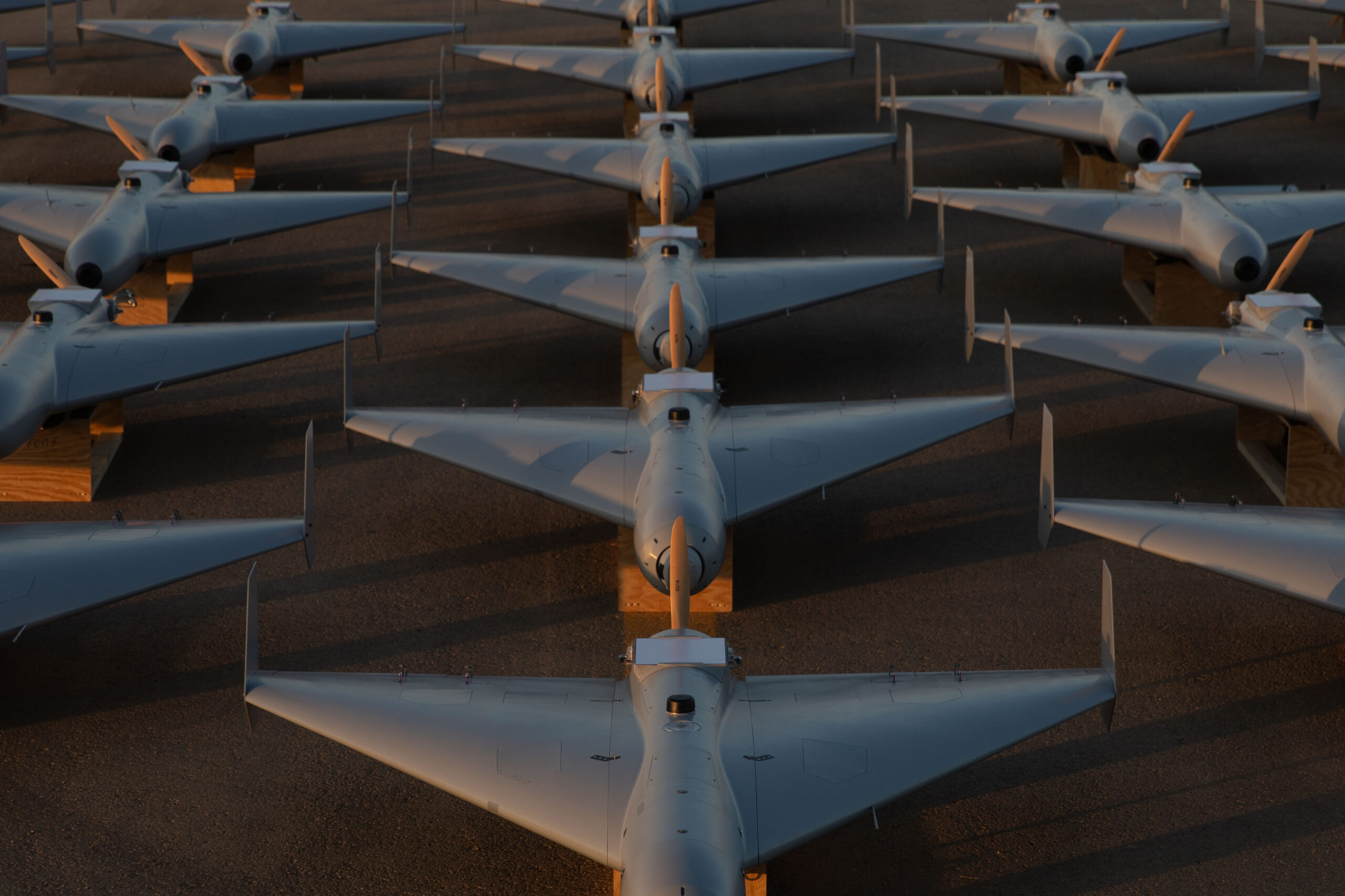

U.S. Central Command announced Wednesday that it has established Task Force Scorpion Strike to oversee the military’s first operational squadron of one-way attack drones in the Middle East. The command confirmed that Low-Cost Uncrewed Combat Attack System (LUCAS) aircraft are already positioned in the region and described them as long-range, autonomous platforms capable of launches from catapults, vehicle-mounted systems and rocket-assisted mechanisms.
“This new task force sets the conditions for using innovation as a deterrent,” Adm. Brad Cooper, CENTCOM commander, said. “Equipping our skilled warfighters faster with cutting-edge drone capabilities showcases U.S. military innovation and strength, which deters bad actors.”
The initiative follows a direction earlier this year to accelerate the fielding of affordable drone technology.
Defense officials told CNN and ABC News that the LUCAS system incorporates design features reverse-engineered from a previously captured Iranian Shahed unmanned aircraft and is produced by multiple U.S. companies at an estimated cost of about $35,000 per drone.
The squadron’s size has not been disclosed, but officials noted that additional aircraft are expected as production expands.
Task Force Scorpion Strike is staffed by personnel from Special Operations Command Central and aligns with the Rapid Employment Joint Task Force, which focuses on accelerating capability delivery, software development and technology coordination across service components.
While CENTCOM begins operational use, further developmental LUCAS testing continues at U.S. Army Yuma Proving Ground (YPG), where evaluators are conducting additional flight trials with inert payloads.
According to Mark Schauer of YPG Public Affairs, the installation’s extensive restricted airspace, dry climate and specialized radio-frequency infrastructure support early demonstrations ahead of future safety certification efforts. Officials conducting the tests said the site’s institutional knowledge and broad range of technical targets provide flexibility for expanding scenarios as the system moves toward full evaluation. The U.S. Army has begun shifting focus toward unmanned aviation in favor of expanded drone integration into the service.
Task Force Scorpion Strike falls under a CENTCOM joint special operation unit, and is not under the authority of any one particular military branch.


0 replies