




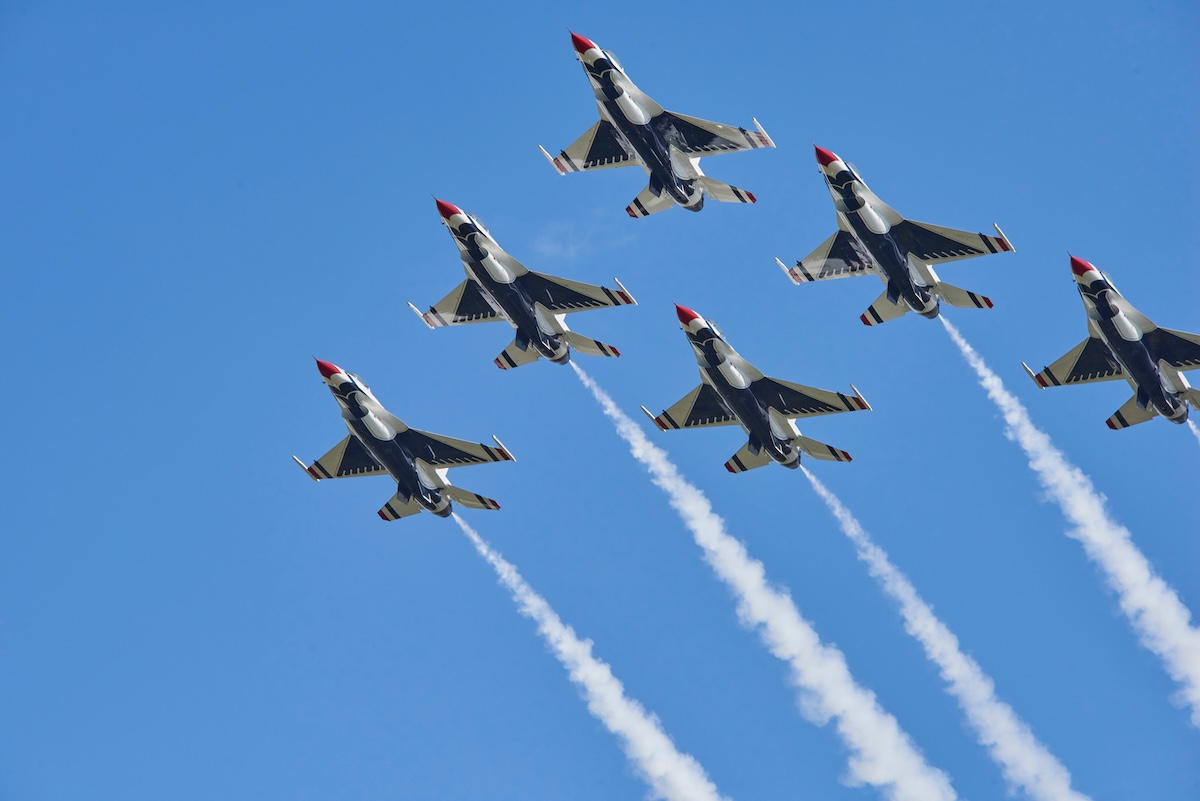

Windows in several high-rises were reportedly damaged Friday during practice flights for the Chicago Air and Water Show over the weekend. The U.S. Air Force Thunderbirds were rehearsing their aerial demonstration when two distinct booms were heard by residents along Lake Shore Drive, prompting speculation that the jets had gone supersonic.
“Those were clearly sonic booms,” Matthew Clarke, an assistant professor of aerospace engineering at the University of Illinois Urbana-Champaign, told the Chicago Sun-Times after reviewing video of the incident. “Even though the global flow may not be faster than the speed of sound, there are places locally faster than the speed of sound, creating shock waves. While I can’t say that the whole plane went supersonic, I can say — from the video — shock waves [were created] from parts of the aircraft.”
The Air Force has disputed the claims, saying data from the Aug. 15 practice confirmed the F-16 Fighting Falcons did not exceed the speed of sound.
“All data confirm the aircraft did not go supersonic, meaning the aircraft did not break the sound barrier,” Maj. Krystal Jimenez, a Thunderbirds spokesperson, told Task & Purpose.
The statement echoed comments released by the service later Friday that the team flew its standard demonstration profile with no deviations. Still, residents and local officials pointed to broken glass at four residential towers along the lakefront as evidence of the blasts’ impact.
Inspectors are continuing to assess the cause, though rehearsals and the show itself proceeded as scheduled.

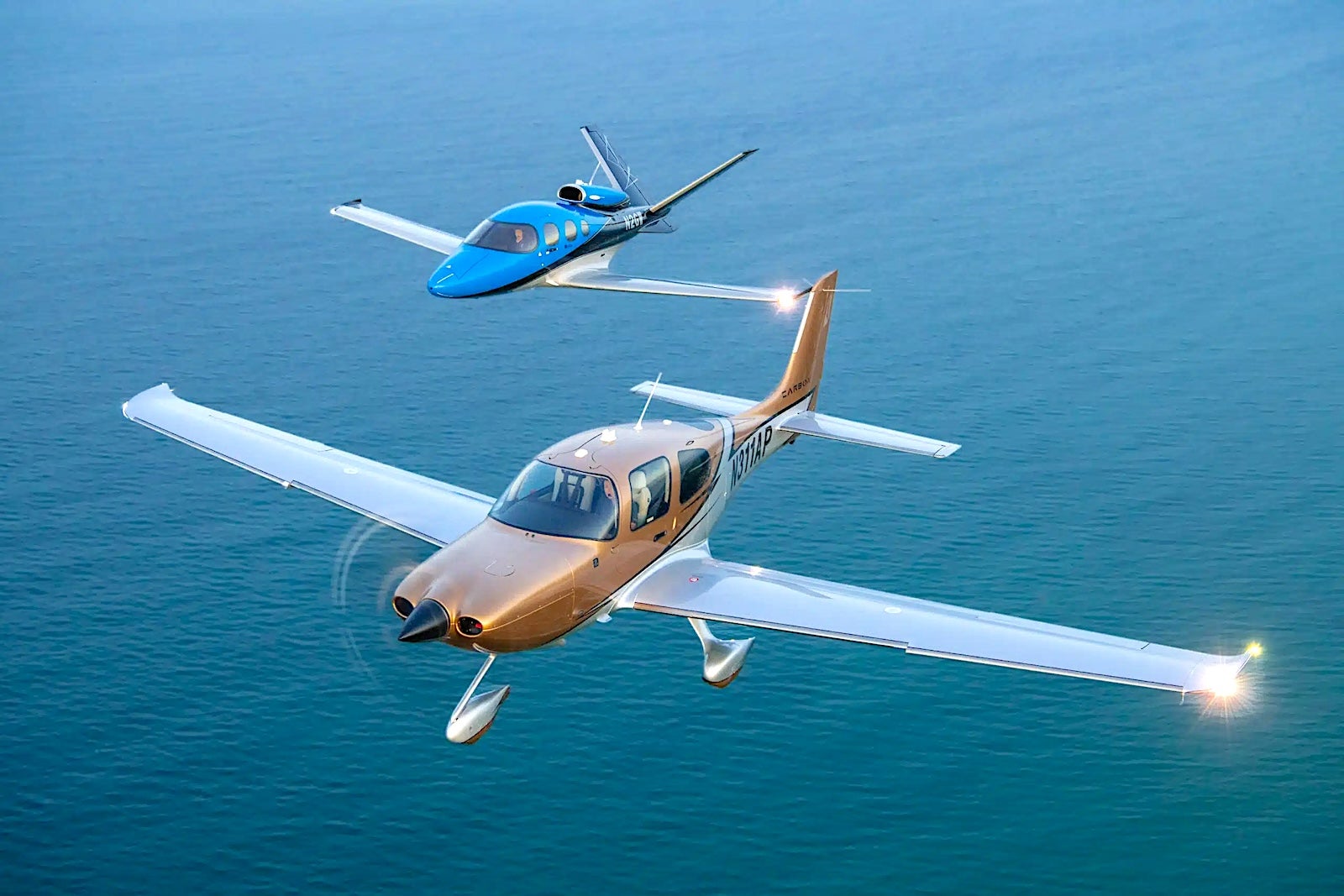
Note that at :55 and 1:44 into the video, it shows aircraft with unswept wings (straight leading edges) and a propeller on the nose. Either the film crew or the editor had no idea what they were looking at–or worse yet, spliced in “stock airplane footage” into the video.
Something about where a drunk looks for his keys on a dark sidewalk…