




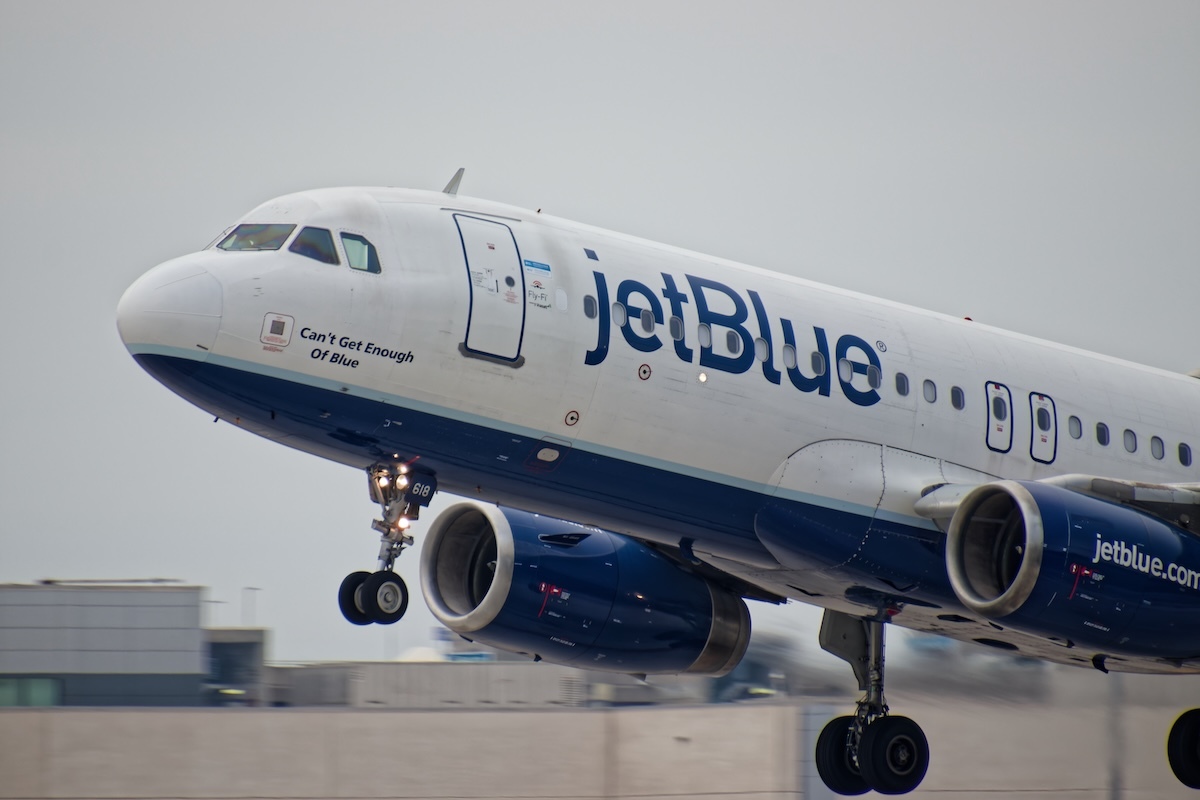

Airlines worldwide continued working through the weekend to implement an emergency software update for Airbus A320-family aircraft after regulators in the U.S. and Europe issued emergency directives tied to a recent flight-control anomaly.
The update follows an Oct. 30 JetBlue flight from Cancun to Newark that briefly lost about 100 feet of altitude during an uncommanded pitch down before diverting to Tampa. Investigators later linked the event to a vulnerability associated with “intense solar radiation,” prompting Airbus to recommend an immediate revision to systems that govern flight-control functions. The Federal Aviation Administration and the European Union Aviation Safety Agency issued emergency orders requiring operators to complete the fix before carrying passengers.
U.S. carriers reported steady progress heading into the busy post-Thanksgiving travel period. American Airlines, which initially identified more than 300 aircraft for review, said it ultimately had 209 jets requiring the update and completed all work by midday Saturday, CNBC reported. Delta Air Lines expects fewer than 50 aircraft to be affected, while United Airlines told Reuters and CBS that only six of its jets required updates.
Transportation Secretary Sean Duffy wrote on social media that travelers “SHOULD NOT expect any major disruptions,” citing strong progress across impacted fleets.
I’ve been in close contact with @Airbus about their software update recall for the A320 and the airlines that use them.
— Secretary Sean Duffy (@SecDuffy) November 29, 2025
Here’s an update:
✅Working with my team and the @FAANews, U.S. carriers jumped into action to complete these updates quickly with minimal disruptions.… pic.twitter.com/x1TJ18KbmC
Some airlines, however, still reported isolated schedule issues, including JetBlue, which canceled dozens of flights scheduled for Sunday as it worked to finish updates for about 150 aircraft. The airline told Reuters it expected updates for 120 aircraft to be completed by Sunday morning, but that about 30 more would still be “in progress.”
Airbus CEO Guillaume Faury apologized to airlines and passengers in a LinkedIn post, adding that teams were “working around the clock” to support operators. Despite the short-term challenges, major hubs in Asia, Europe and the U.S. reported generally moderate delays as carriers raced to complete the update and keep holiday traffic moving.


What amazes me in this entire issue is the almost instant availability of the several hundred updated modules. It’s almost like someone knew beforehand…..
Not really, the bottleneck is identifying the root cause of the problem. The next step of coding a fix and verifying the fix functions without any adverse effects is faster but still time consuming. If the event was identified 30 Oct and fixed last weekend I expect most of the time was in these first two steps.
The last step of burning EPROMS or other similar technology for fixing the code in a chip is very fast and can be done on dozens of chips simultaneously. You can buy USB EPROM burners on Amazon. I’m sure any aircraft manufacturer has much more sophisticated equipment for rapid production of embedded code hardware. It isn’t like this was the first time code updates needed to be rolled out, nor will it be the last. There is no conspiracy here. The logistics of getting the chips to the aircraft and getting them installed so quickly all over the world required great planning and execution but again they had a couple of weeks where they knew it was coming to prepare.
I am curious as to the determination that a software fix is stated and a change out of elevator control computers is also stated.
Were the computers only reprogrammed or were they redesigned for improved rad hardening.
Did the excessive radiation damage the system or command a control?
This fix sounds way to easy to be considered a root cause analysis and corrective action