




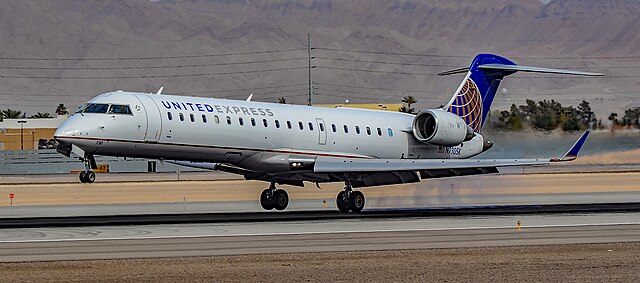

A new report from the U.S. Department of Transportation’s Office of Inspector General (OIG) found that the Federal Aviation Administration (FAA) has failed to address long-standing issues in its oversight of SkyWest Airlines’ maintenance practices.
Published on July 28, the report highlights persistent gaps in how the FAA monitors and enforces compliance with maintenance and safety standards at the nation’s largest regional carrier. Despite multiple internal audits and years of concerns, investigators concluded the agency has not taken sufficient action to mitigate known risks or ensure SkyWest fully complies with safety protocols.
Since 2021, the FAA has worked to resolve 32 identified issues at SkyWest. By the time of the OIG’s review, 26 had been addressed, but noncompliance persisted—particularly with the airline’s remote return-to-service maintenance practices, according to Reuters.
The audit cited multiple concerns, including improper deferral of Minimum Equipment List (MEL) items, dispatching aircraft without required inspections, and assigning maintenance tasks to pilots outside the scope of approved procedures in the company’s manuals.
The OIG issued several recommendations aimed at improving FAA oversight procedures, enhancing accountability and ensuring that safety risks are addressed in a timely and consistent manner. The FAA agreed with most of the recommendations and has committed to taking corrective action.


What does all this mean in terms of safety? In other words, is it safe to fly on a SkyWest regional flight? Does this have any impact on the legacy carriers for which SkyWest flies?
What it means is that even though the aircraft you are on is painted in Delta, United or American’s paint scheme, you are riding on a regional jet that operates separately from the mainline carrier. Regionals operate under their own operating certificate with their own pilots, dispatchers and mechanics. Even if they are owned by a major, operationally they are a separate carrier. They experience higher employee turnover which generally means their employees have less experience than employees at mainline carriers. You have to decide whether that makes them less safe than a major.
Yes, I know all that. My question has to do with this: Does the DOT report imply in any way that SkyWest is unsafe, and does this report affect in any way the carriers for whom SkyWest flies?
Ironic because SkyWest is widely considered to have better maintenance than the other regionals, better even than mainline. Very few maintenance issues, for how old the fleet is, and competent maintenance staff. Funny how the FAA often finds the wrong tree to bark at… When was the last time a SkyWest landing gear fell off, or door blew off?
It increases risk.
‘Safe’ is on a scale.