



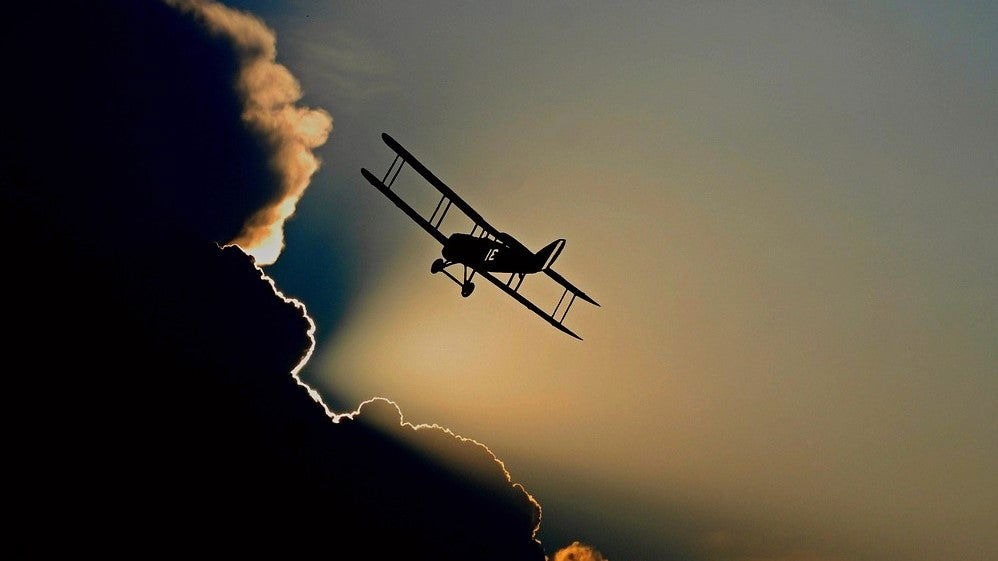

While technical manuals are essential, aviation’s literature offers valuable insights from the discipline’s history. The voices and experiences of others can satisfy curiosity and reignite a passion for flight. They inspire far more than the FAA’s library of technical manuals does. Below are several recommended options for engaging with historical aviation literature.
Early Aviation Pioneers
The Wright Brothers by David McCullough
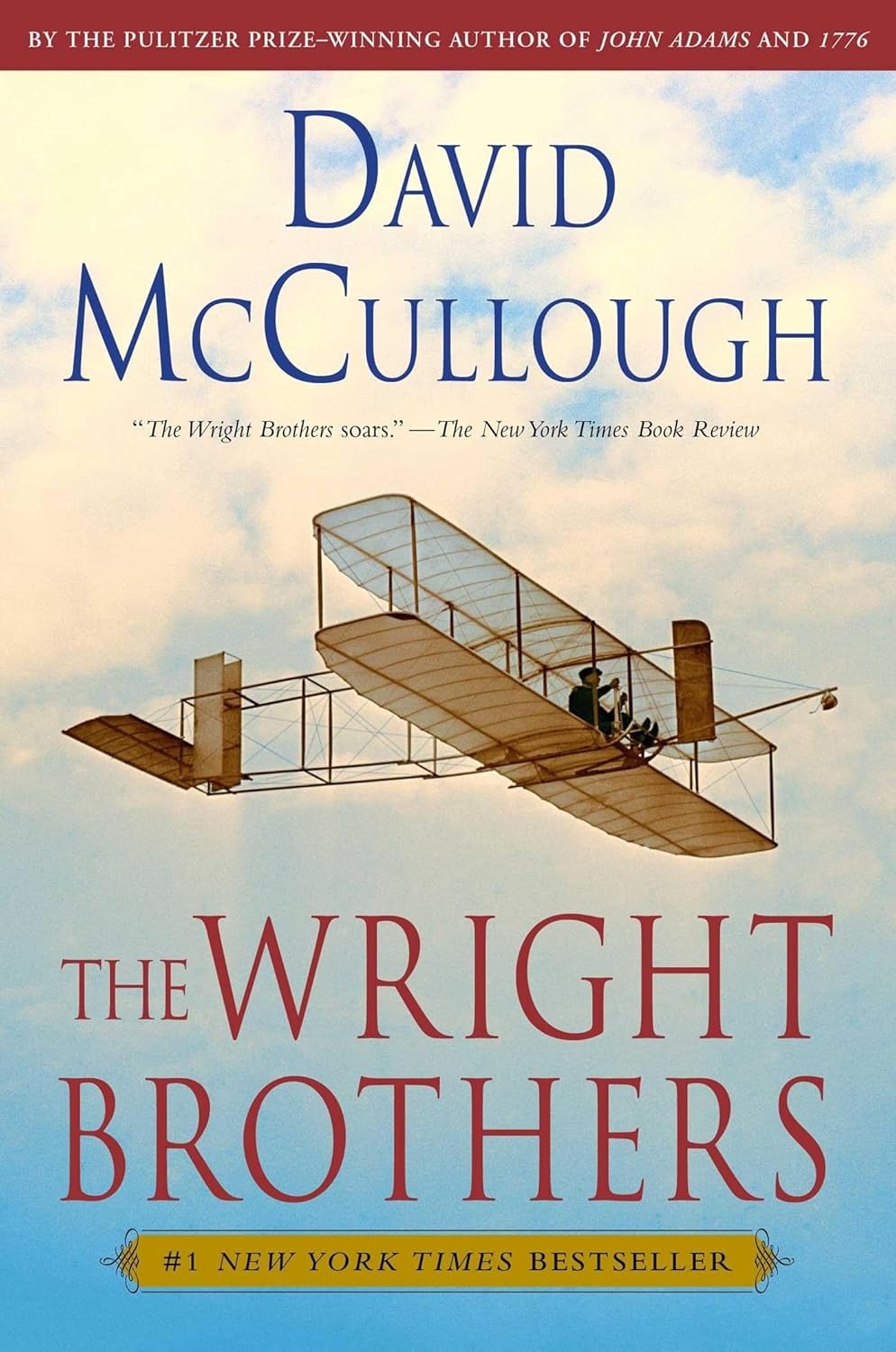
Historian David McCullough details the story of Wilbur and Orville Wright, two bicycle mechanics from Dayton, Ohio. The book explores the brothers’ upbringing, family dynamics, and their dedicated pursuit of scientific truth that led to their 1903 flight.
Wind, Sand and Stars by Antoine de Saint-Exupéry
An author and pilot, Antoine de Saint-Exupéry reflects on his experiences flying airmail in open-cockpit biplanes during the 1920s and ’30s over terrains like the Sahara and the Andes. The book puts words to the realities of early aviation, from night flying to sudden storms, and conveys the profound respect for nature that flight instills.
Tales of Courage in WWII and the Golden Age
Fate Is the Hunter by Ernest K. Gann
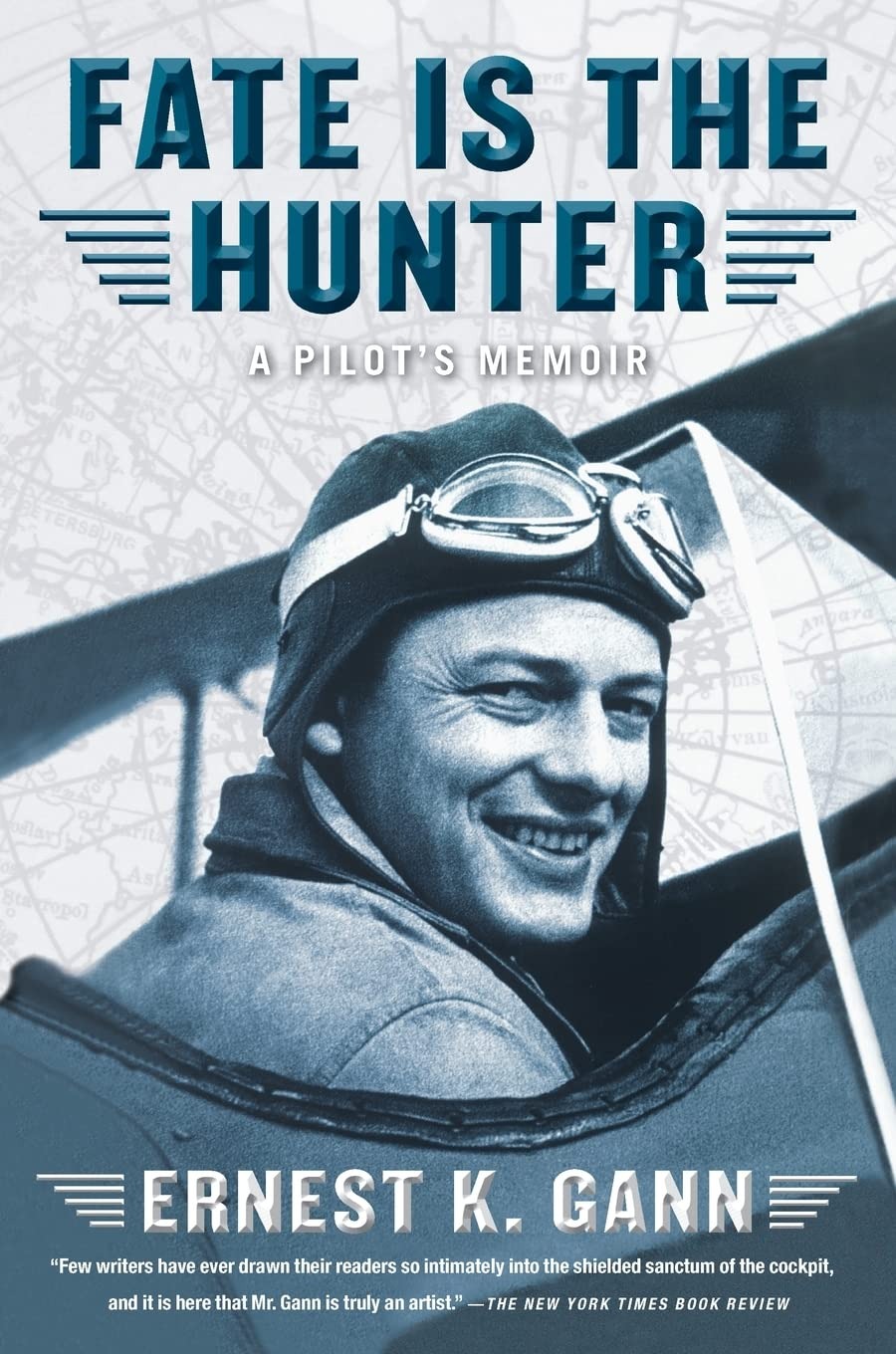
Ernest K. Gann chronicles his life in the cockpit, from early commercial airline routes to dangerous World War II missions. Gann examines the interplay of skill, weather, and chance in an era before sophisticated avionics, revealing the relationship between pilots and their aircraft when luck often determined survival.
Thunderbolt! by Robert S. Johnson and Martin Caidin
This book is a firsthand account of WWII aerial combat from one of the U.S. Army Air Force’s first fighter aces, Robert S. Johnson. Co-authored with aviation historian Martin Caidin, it puts readers in the cockpit of the P-47 Thunderbolt during dogfights, highlighting the evolution of aerial tactics and the camaraderie of wartime squadrons.
Fly Girls by Keith O’Brien
Journalist Keith O’Brien tells the stories of five women who entered the male-dominated world of competitive air racing in the 1920s and ’30s. The book details the riveting exploits of pilots like Amelia Earhart, Florence Klingensmith, and Ruth Elder, showing how they overcame societal barriers and shaped public perception of women in aviation.
The Jet Age and Technological Marvels
Skunk Works: A Personal Memoir of My Years at Lockheed by Ben R. Rich and Leo Janos
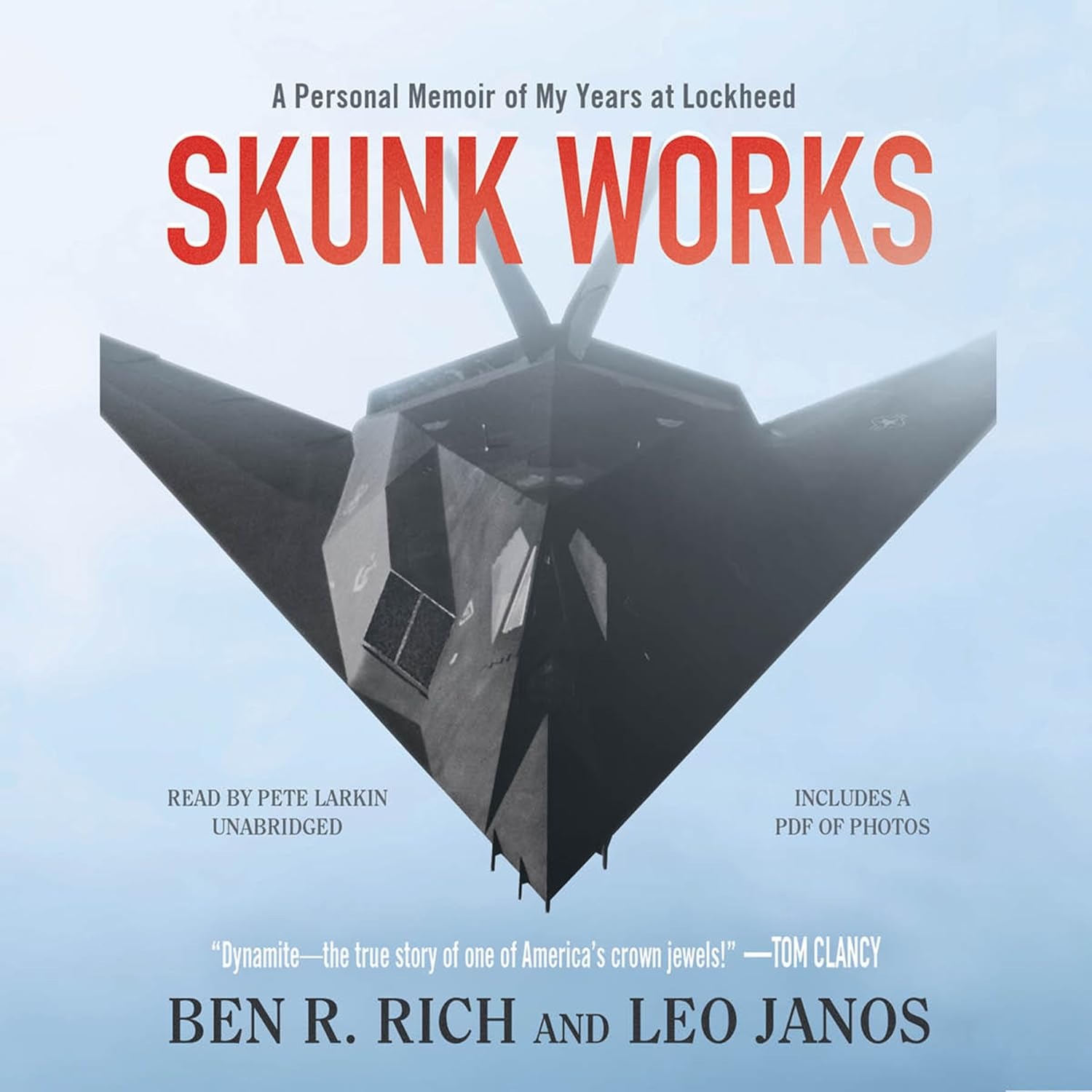
This book provides an insider’s view of Lockheed’s Skunk Works, which was responsible for innovations like the U-2 spy plane, SR-71 Blackbird, and F-117 Nighthawk. The memoir reveals how a small team could advance flight technology under tight budgets, intense secrecy, and the pressures of Cold War military aerospace engineering.
Yeager: An Autobiography by Chuck Yeager and Leo Janos
Co-written with Leo Janos, this autobiography recounts Chuck Yeager’s journey from his upbringing in West Virginia to his time in WWII fighter combat and his historic 1947 flight breaking the sound barrier in the Bell X-1. The book offers a look into the test pilot culture at Edwards Air Force Base and the mentality that fueled the “rocket age.”
Civil Aviation and Personal Memoirs
Stick and Rudder: An Explanation of the Art of Flying by Wolfgang Langewiesche
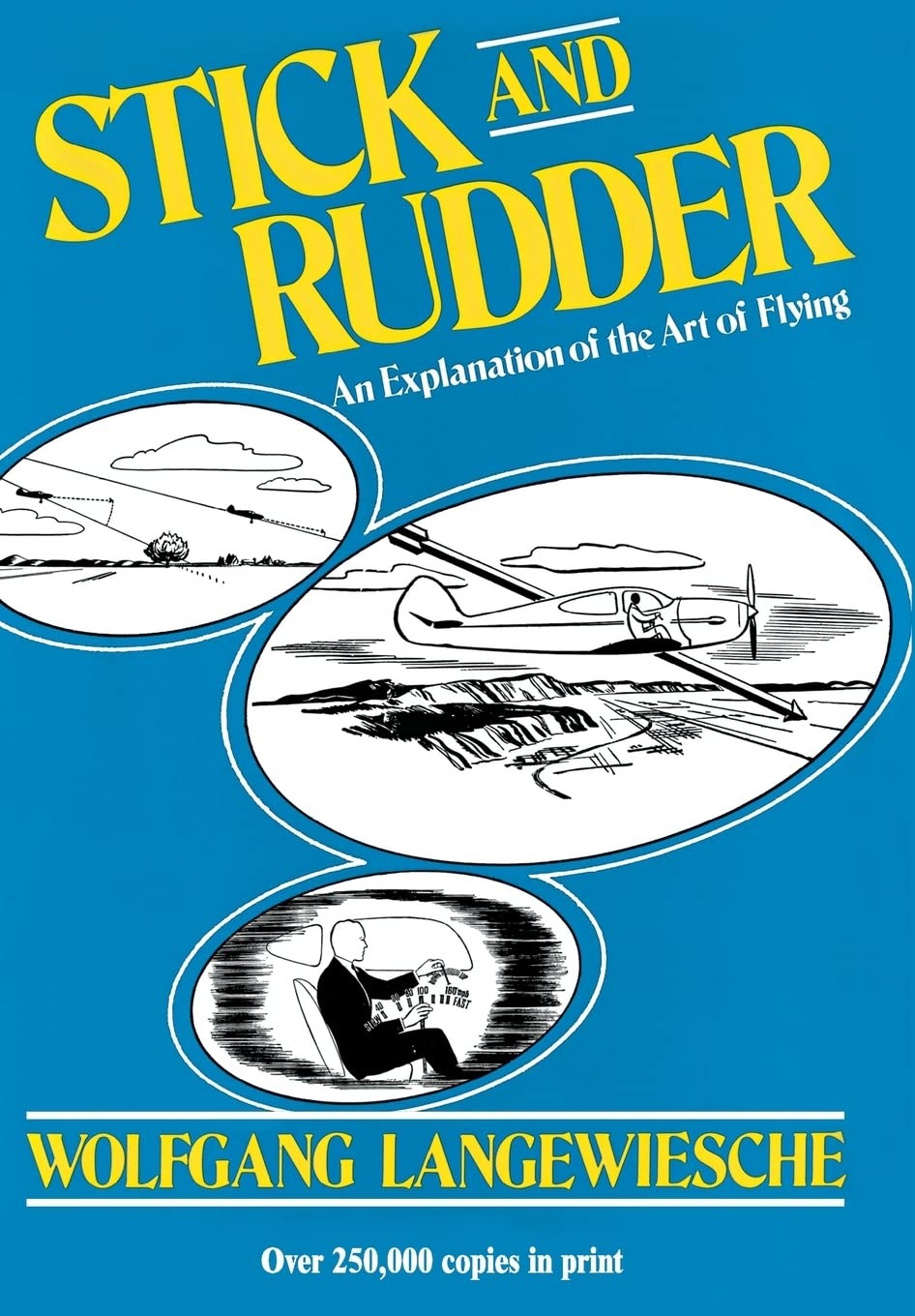
First published during WWII, this book remains a relevant text for students and veteran pilots. Langewiesche explains aerodynamics, stalls, landings, and turns in clear, jargon-free language. The book’s enduring popularity reflects the universal truths it identified, which laid an important foundation for modern flight training.
Flight of Passage by Rinker Buck
Rinker Buck recounts the cross-country trip he and his older brother took in a worn Piper Cub in 1966 as teenagers. The memoir serves as a snapshot of American general aviation in the mid-20th century, a time when small airports were numerous and local mechanics were essential figures.
A Comprehensive History of Aviation
Flight: The Complete History by R.G. Grant
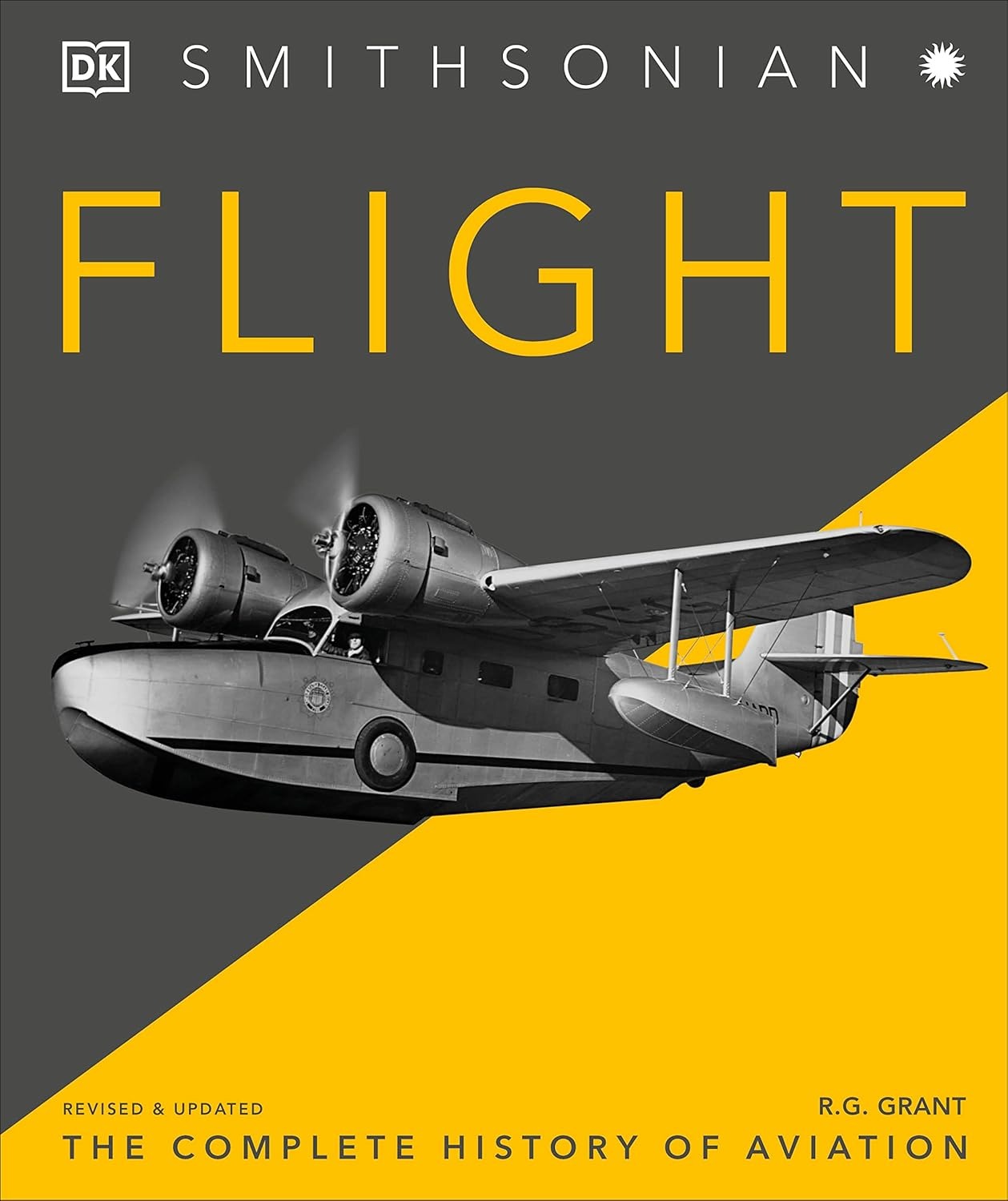
For a broad overview of aviation, this illustrated volume charts the major innovations, personalities, and events from 18th-century hot-air balloons to modern jets. Grant’s work spans civilian, military, and experimental aircraft, providing context for the turning points in flight and examining how political, economic, and technological factors shaped each new generation of aircraft.
AVweb may earn revenue from the products available on this page and participate in affiliate programs.

0 replies