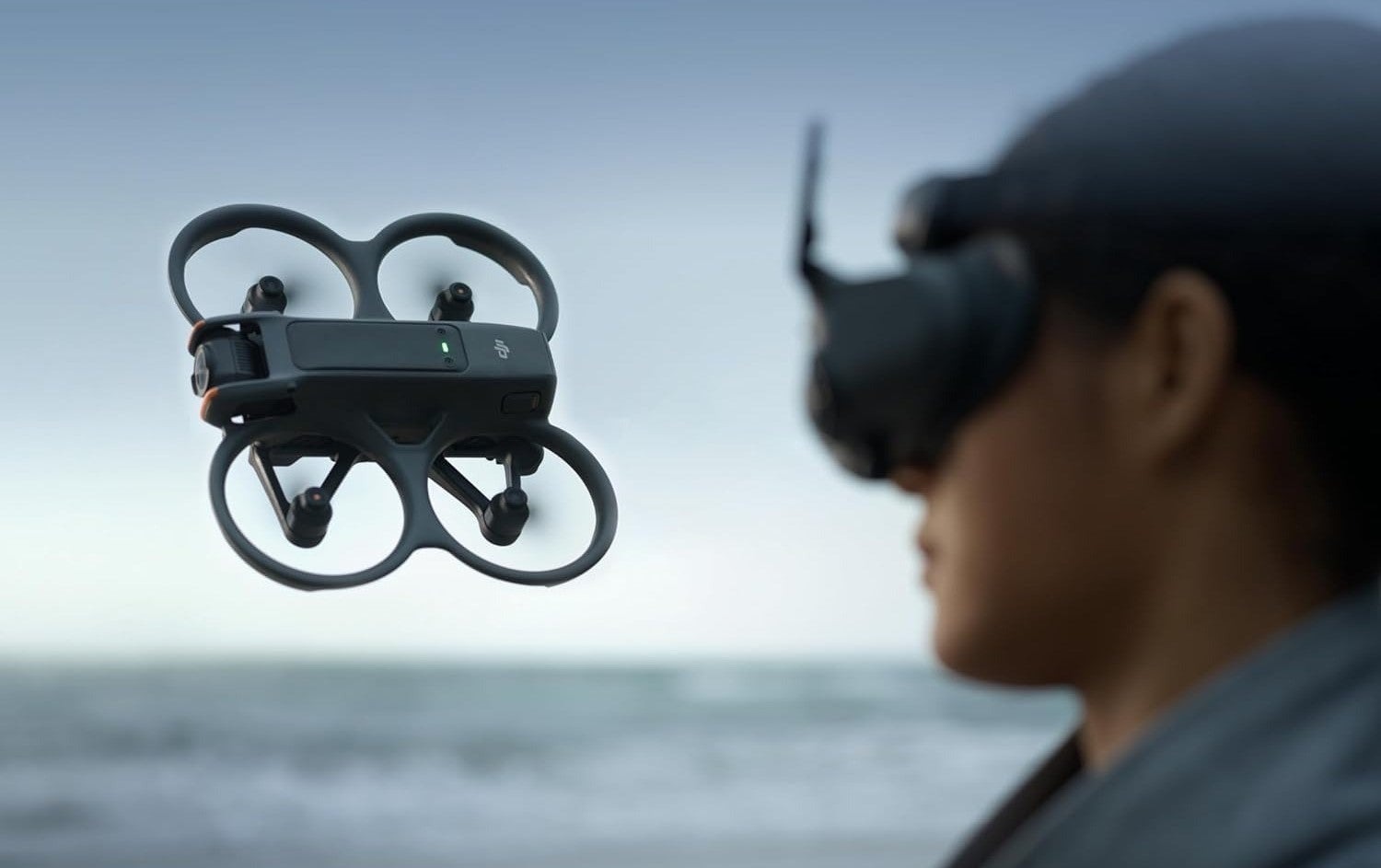

Racing drones are a unique branch of drone technology specifically engineered for speed and agility. Unlike traditional drones designed primarily for photography or surveillance, racing drones must maneuver through intricate courses at breakneck speeds, often reaching up to 120 mph.
These drones are equipped with high-speed transmitters, powerful motors, and advanced cameras to provide pilots with a thrilling, immersive flight experience. Whether you’re a seasoned pro or a beginner looking to break into the world of drone racing, the right drone can significantly impact your performance on the racing circuit.
READ MORE: Best Drones of 2025
Top Racing Drones to Consider
Nazgul Evoque F5 V2
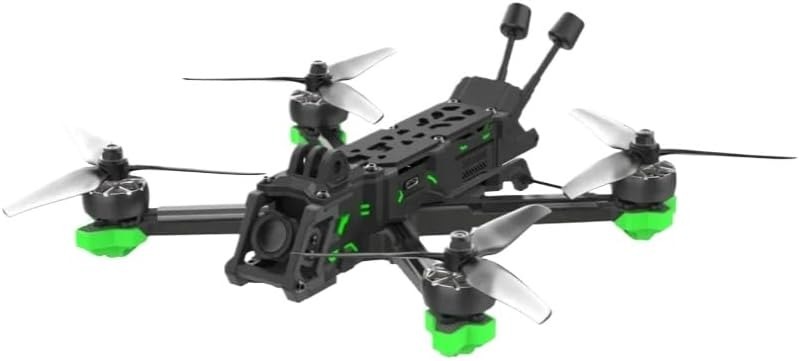
Renowned for its overall features, the Nazgul Evoque F5 V2 is designed with both professionals and enthusiastic novices in mind. Its Squashed-X or DC Geometry design offers enhanced flight dynamics crucial for racing. Equipped with an advanced GPS module, it provides precise control and maneuverability. The O3 Air Unit ensures high-definition video streaming to relive every flight in vivid detail.
Special Features:
- Squashed-X or DC Geometry design
- Advanced GPS module
- O3 Air Unit for HD video
- BNF configuration
- Lightweight construction
EMAX Tinyhawk II Freestyle

The EMAX Tinyhawk II Freestyle is the go-to option for those seeking value without compromising on performance. It boasts an optimized power system that extends flight time and boosts efficiency, featuring 1103 7000KV motors and 2.5-inch AVAN Rush propellers.
READ MORE: Best Drones Deals This Week on Amazon
Special Features:
- Optimized power system
- Enhanced FPV camera
- Powerful video transmission
- Durable carbon fiber construction
- Supports dual battery types
BETAFPV Cetus Pro
![BETAFPV Cetus Pro [Courtesy: Amazon]](jpg/612geohvonl._ac_sl1500476d.jpg?width=1024&height=759)
The BETAFPV Cetus Pro is celebrated for its pocket-sized design, making it an ideal choice for FPV newbies. It sports powerful brushless motors and offers multiple flight modes, making it adaptable to different flying styles and environments.
Special Features:
- Three selectable flight modes
- Altitude hold function
- Brushless motors
- Turtle mode for easy recovery
- Self-protection function
APEX VR70
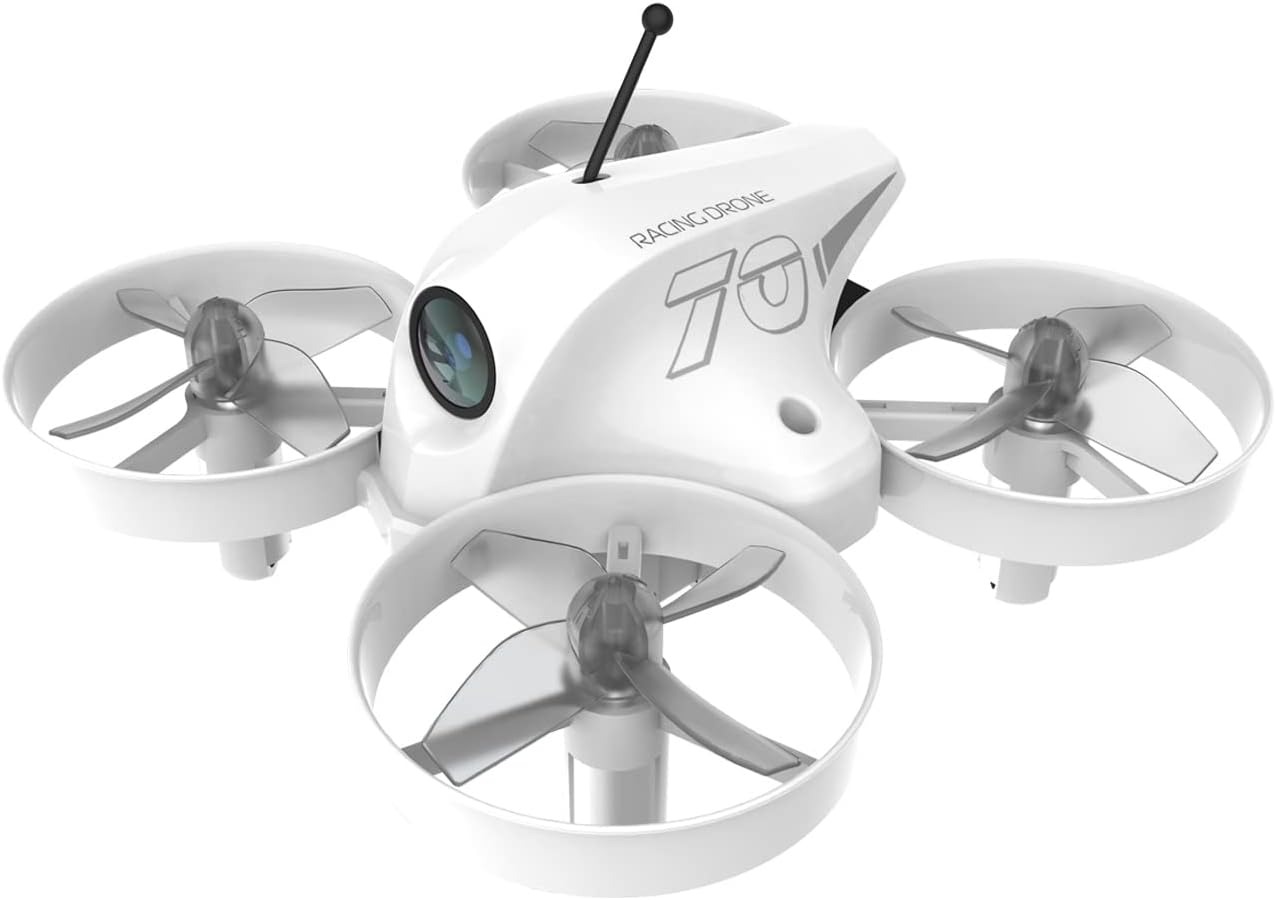
The APEX VR70 is recognized for its ease of use across various skill levels, providing an immersive VR flight experience. Beginners can start with the stable altitude mode before progressing to manual controls for more advanced flight maneuvers.
Special Features:
- 1080p resolution camera
- Up to 18 minutes of flight per battery
- Low-latency 5.8G transmission
- Lightweight and compact design
- Turtle mode for crash recovery
DJI Avata 2
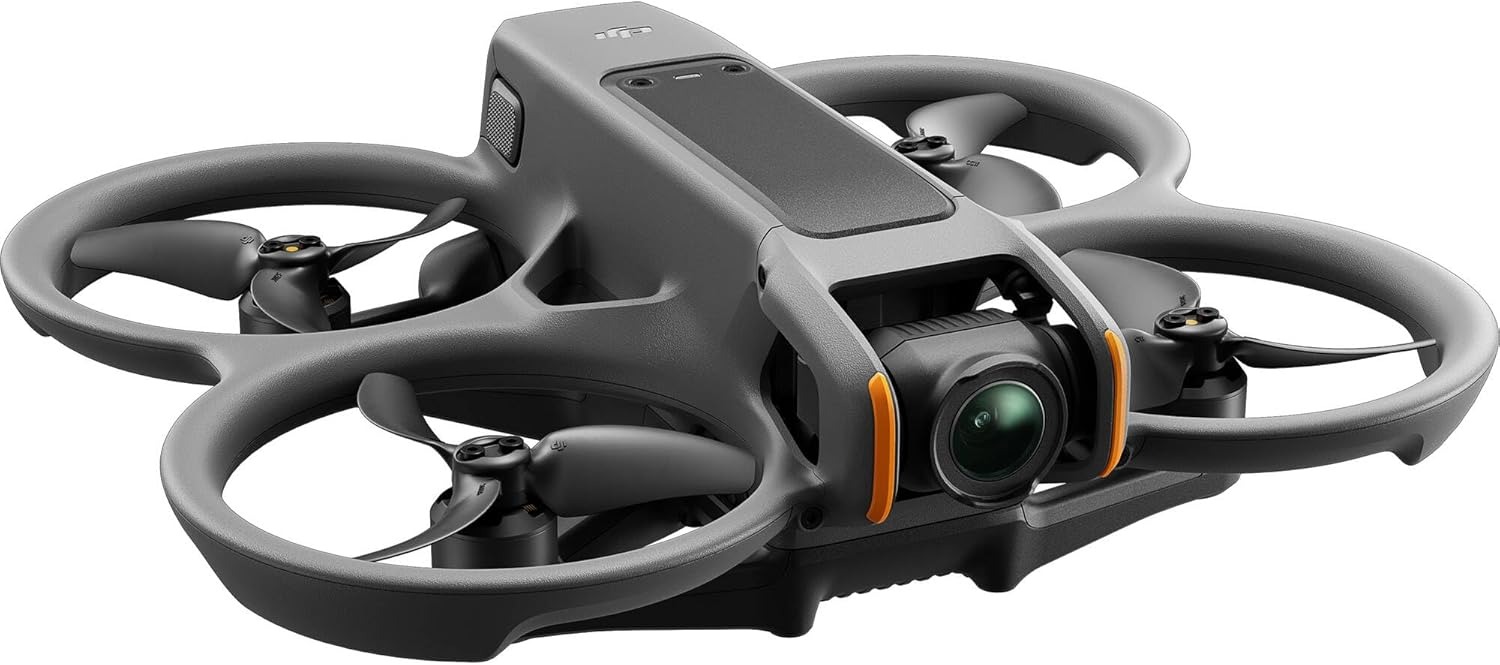
Notable for its overall design, the DJI Avata 2 elevates the flying experience with intuitive motion controls and an innovative FPV framework. Its ability to effortlessly perform aerial acrobatics makes it a standout choice for all pilots.
Special Features:
- Intuitive motion control
- Built-in propeller guard
- Super-wide 155-degree FOV
- 4K/60fps video capability
- LightCut app compatibility
FAQ
How fast can racing drones fly?
Racing drones can reach speeds of up to 120 mph as pilots navigate complex courses designed to test their skills.
Do racing drones withstand crashes?
Although racing drones are more durable than hobby drones, they can still be damaged in crashes, especially the propellers which are more vulnerable.
What components contribute to a drone’s speed?
The speed of a racing drone largely depends on its frame, motor, propellers, and battery.
With these top choices and features outlined, you’ll be equipped to make an informed decision as you venture into the exhilarating world of drone racing.
AVweb may earn revenue from the products available on this page and participate in affiliate programs.