



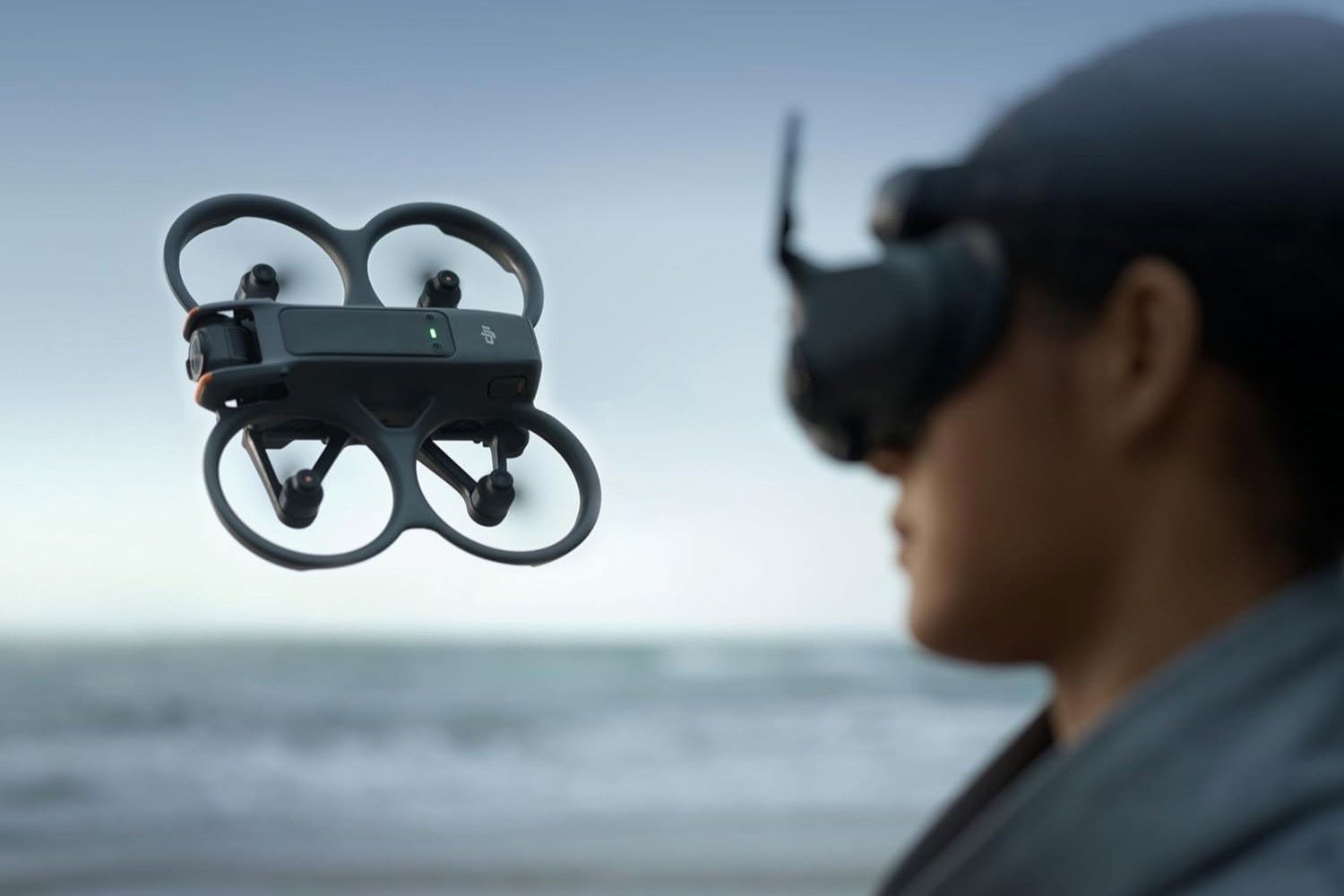

Are you looking for a drone but don’t know where to start? Choosing the best drones first requires deciding what they’ll be used for.
The widespread adoption of drone technology continues into 2025, which means drone consumers face more options than ever at the marketplace. Use this guide to help narrow your choices.
Key Factors in Drone Selection
Several factors should be considered when selecting a drone, depending on the intended application, budget, and pilot skill level.
Camera Quality
For photography or videography, key specifications include:
- Resolution: 4K or 8K resolutions provide high-clarity footage. HD is generally sufficient for casual use, while anything less than 4K may produce disappointing results.
- Sensor Size: Larger sensors, such as 1 inch or greater, capture more light, improving image quality, especially in low-light conditions.
- Image Stabilization: A 3-axis gimbal is critical for smooth, stable footage, particularly in windy conditions. Smaller drones may use less effective 1- or 2-axis gimbals.
- Zoom: Optical zoom preserves image quality, whereas digital zoom can cause pixelation.
Flight Performance
- Flight Time: Look for aircraft capable of at least 30 minutes of flight time per charge.
- Range: The maximum operational distance while maintaining a stable connection is a crucial parameter.
- Speed and Stability: Racing drones prioritize speed, while professional models focus on stability for tasks like aerial imaging.
- Wind Resistance: A durable build and advanced stabilization systems are necessary for reliable performance in adverse weather.
- Obstacle Avoidance: Advanced sensors and AI-driven systems detect and avoid obstacles, mitigating crash risks.
Portability and Durability
- Size: Foldable, compact drones are easier to transport and deploy.
- Weight: Lighter drones are easier to handle but may have reduced stability in high winds.
- Durability: For outdoor and rugged use, models with water resistance and robust construction are ideal.
Ease of Use
- Controls: App-based interfaces and ergonomic remote controllers simplify flight operations.
- Intelligent Flight Modes: Automated functions like “follow me,” “orbit,” and “point of interest” enable complex maneuvers.
- Emergency Features: A reliable return-to-home function and low-battery alerts are essential safety backups.
Safety Features
- Geofencing: This technology prevents drones from entering restricted airspace.
- Altitude Limits: User-defined altitude ceilings ensure safe operation.
- Emergency Stop: Allows for immediate motor shutdown in case of a critical malfunction.
- Sensors: Multiple sensors provide awareness of the drone’s proximity to objects to prevent collisions.
Notable Drones for 2025
Best Drone Overall: DJI Mavic 3 Pro
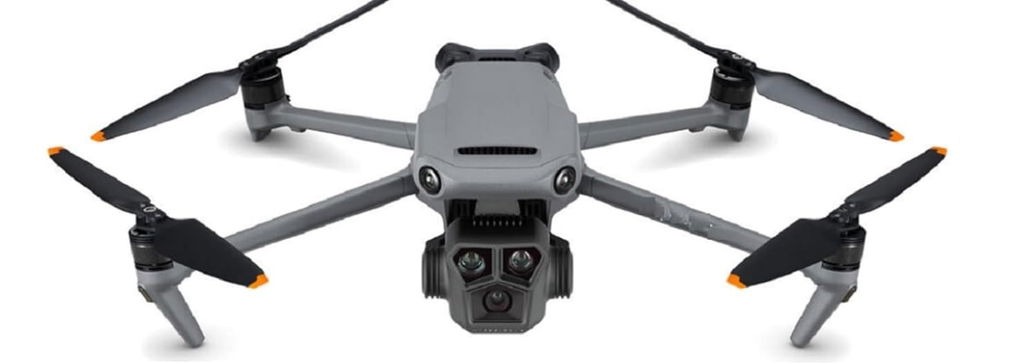
The Mavic 3 Pro combines a high-quality camera system with advanced flight capabilities. While there are industry concerns about a potential ban on DJI products, they remain legal for consumer and professional use. The aircraft is equipped with a Hasselblad 4/3 CMOS main camera with a 24mm equivalent lens and a variable f/2.8-f/11 aperture, capturing 20 MP RAW photos with 12.8 stops of dynamic range. It is FAA Remote ID compliant and features omnidirectional obstacle sensing, a 43-minute flight time, and DJI O3+ transmission with a range of up to 15 km.
Price: $2,149.99
Best Drone For Beginners: DJI Flip
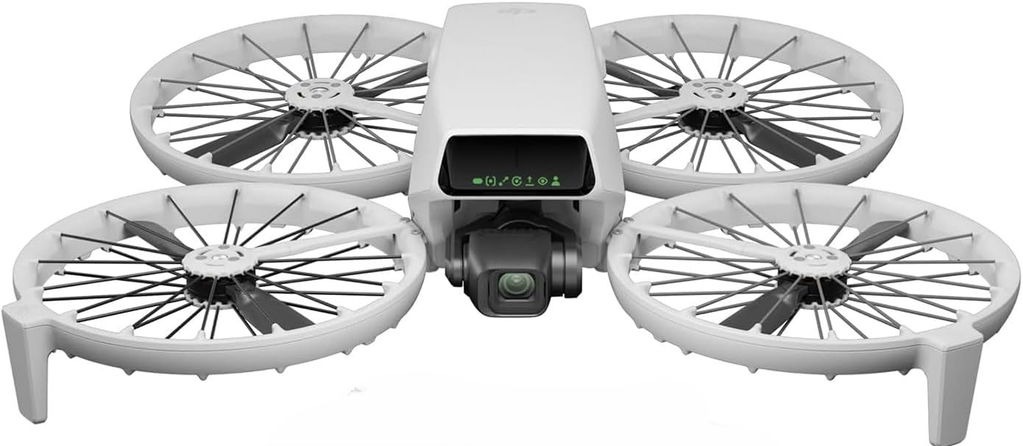
Marketed as a vlog camera drone, the DJI Flip is suitable for new pilots due to its ease of use and safety features. Weighing under 249 grams, it does not require FAA registration for recreational use. Its foldable design and full-coverage propeller guards enhance portability and safety. The drone can be launched from a user’s palm and controlled via hand gestures or voice commands. It features a 1/1.3-inch CMOS sensor for 48 MP photos and 4K/60fps video, with a maximum flight time of 31 minutes.
Price: $289
Best Drone for Photography/Videography: Autel EVO II Pro 6K Rugged Bundle V3
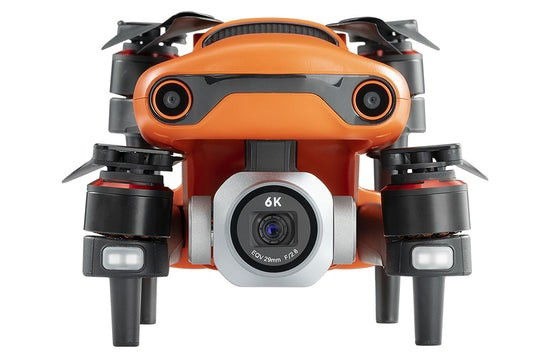
The Autel EVO II Pro V3 is built around Sony’s 1-inch CMOS sensor, capable of 6K video, 3x optical zoom, and 12-bit DNG photos. It features an adjustable aperture from f/2.8 to f/11 and the Moonlight Algorithm 2.0 for improved night photography with an ISO up to 44000. The drone offers a 40-minute flight time, omnidirectional obstacle avoidance, and SkyLink 2.0 transmission up to 15 km.
Price: $2,099
Best Racing Drone: DJI Avata 2
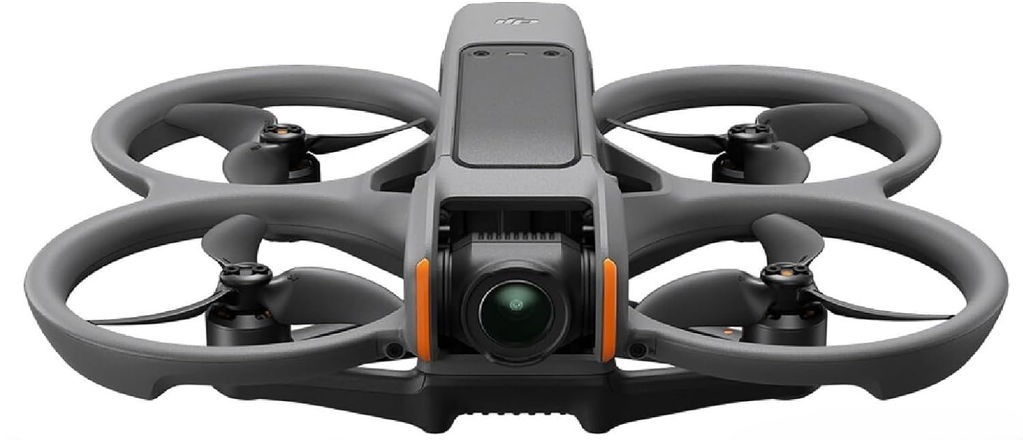
Designed for the growing sport of drone racing, the Avata 2 can reach speeds exceeding 60 mph. It provides an immersive first-person view (FPV) experience when paired with DJI Goggles 3. The drone features a 1/1.3-inch sensor with a 155-degree field of view for 4K/60fps video. Built-in propeller guards enhance safety, and it can perform acrobatic maneuvers like flips and rolls. The flight time is 23 minutes, and it supports PD fast charging.
Price: $1,799
Best Budget Drone: Ryze Tello
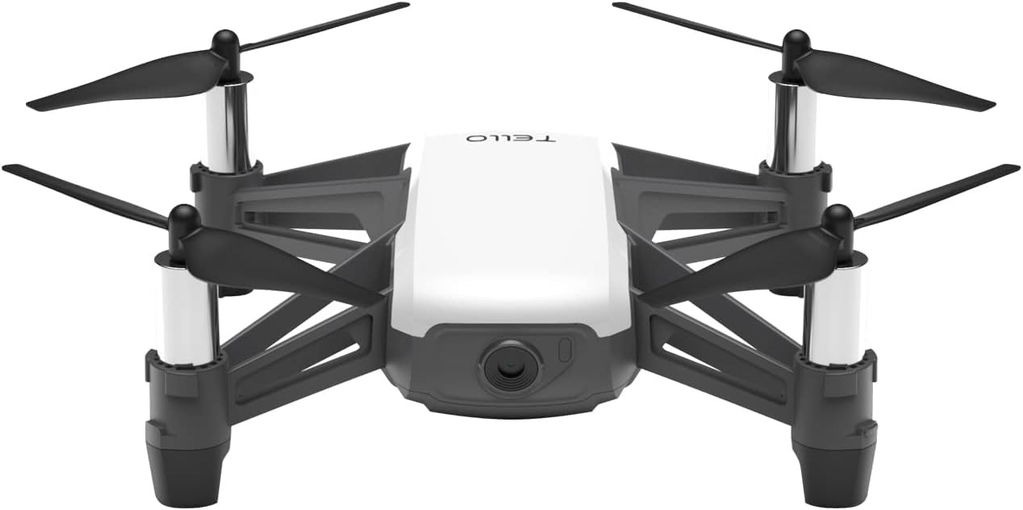
While many drones under $50 often lack quality and safety features, the Ryze Tello incorporates technology from DJI and Intel. It is a lightweight, compact drone featuring a 5 MP camera for 720p HD video with electronic image stabilization. The flight time is up to 13 minutes. It includes intuitive app controls and is suitable for educational or casual use.
Price: $219
Best Professional Drone: DJI Matrice 30T
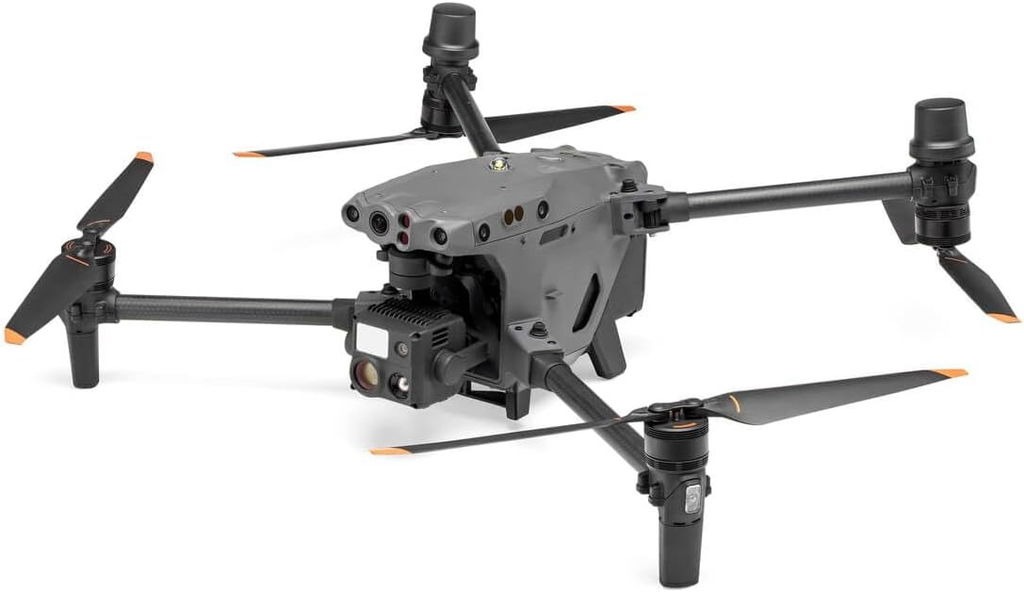
The Matrice 30T is a versatile and portable aircraft for industrial applications such as inspections, mapping, and first responder use. It integrates wide, zoom, and thermal cameras with a laser rangefinder. The wide camera has a 12 MP sensor, the zoom camera has a 48 MP sensor with up to 200x hybrid zoom, and the thermal camera has a 640×512 resolution. The laser rangefinder has a range of up to 1200 meters. With an IP55 rating, it can operate in adverse weather and temperatures from -20°C to 50°C.
Price: $12,599
For those intending to use a drone for commercial purposes, an FAA Part 107 license is required. Training courses are available from providers like Altitude University, the Pilot Institute, and Sporty’s Pilot Shop.
FAQ
Is FAA registration required for all drones?
Registration requirements are based on weight. Models under 249 grams, such as the DJI Flip, do not require FAA registration or Remote ID for recreational flying.
Which drone is recommended for professional photography?
The Autel EVO II Pro V3 is a strong candidate for professional photographers, with its 1-inch sensor, 6K video capability, and advanced performance in low-light conditions.
What is needed to start a commercial drone operation?
A prospective commercial drone pilot must obtain an FAA Part 107 license.
AVweb may earn revenue from the products available on this page and participate in affiliate programs.
0 replies