


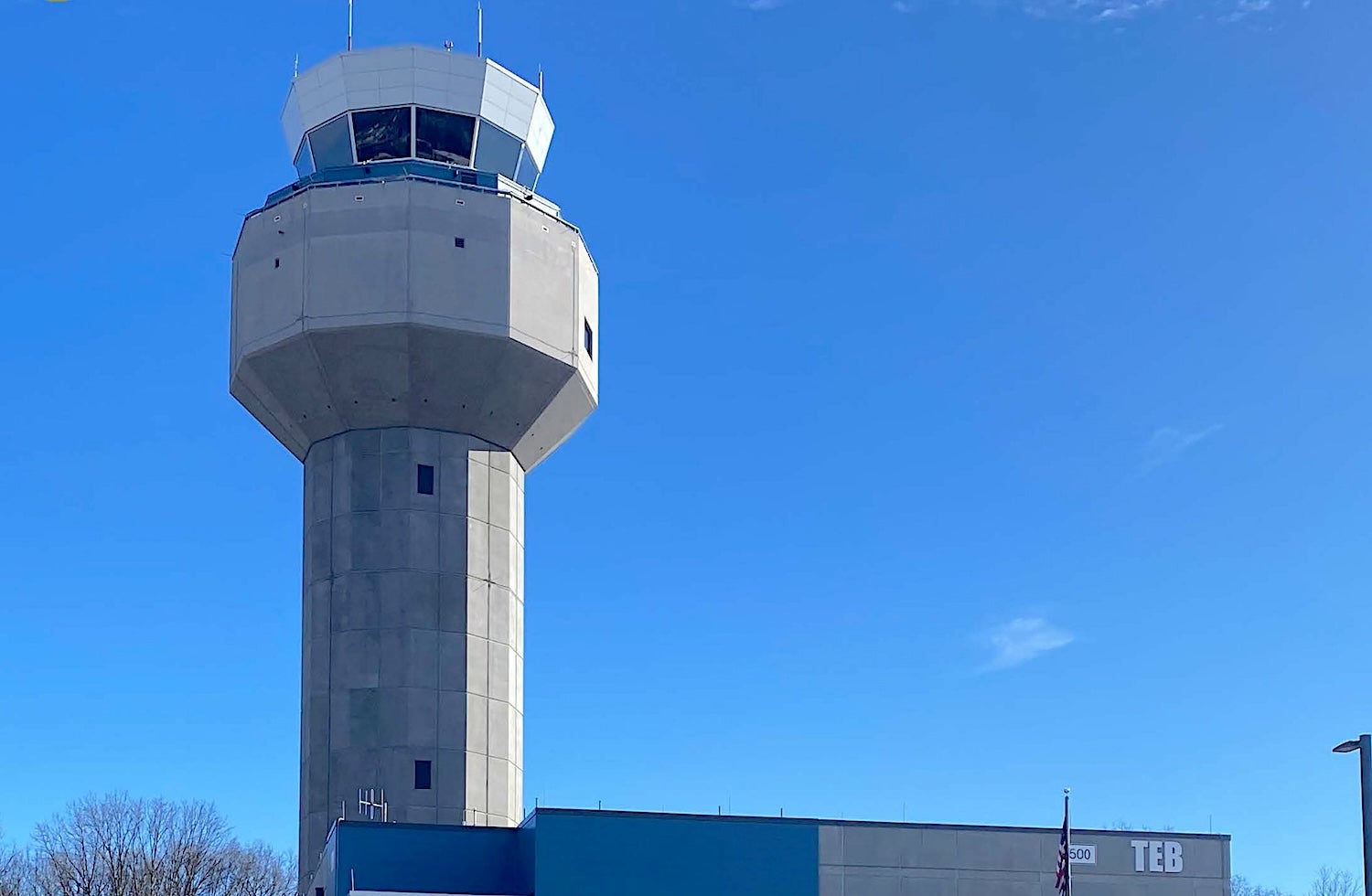

The U.S. Department of Transportation and the FAA have released a Request for Solutions (RFS) to select a Prime Integrator for the agency’s air traffic control system. Proposals are due Sept. 21, 2025, with the contract aimed at accelerating a full buildout of the new ATC system in three to four years.
According to the FAA, the Prime Integrator will be responsible for acquiring new technologies, upgrading facilities and ensuring interoperability across the National Airspace System (NAS).
The FAA described the effort as a two-phase program to replace aging infrastructure and introduce new capabilities. The first phase will target outdated radar, software and telecommunications networks, while the second will focus on new Air Route Traffic Control Centers and a common automation platform.
.@SecDuffy announced the latest milestone in developing an air traffic control system of the future! @USDOT and the FAA are now accepting proposals from Prime Integrators to lead the transformation of this cutting-edge system. Learn more about this accelerated procurement process… pic.twitter.com/EaPnwIAwmV
— The FAA ✈️ (@FAANews) August 29, 2025
“The Integrator is envisioned as the prime contractor, systems architect, and conductor of industry,” the RFS states.
Several industry stakeholders have expressed support for the initiative.
“This once-in-a-generation plan to upgrade the ATM system will be challenging but the American public deserves a world class air traffic control system,” said Air Traffic Control Association President Stephen Creamer in a statement.
Creamer noted that ATCA member companies specialize in designing and deploying air traffic management solutions worldwide and said dedication to collaboration and proper funding will be essential to ensure the program delivers lasting benefits for the NAS.


As stated by the President of the Experimental Aircraft Association, an upgrade of the US ATC should be done carefully and piece by piece. The reason: the system works acceptably at most locations. Immediate upgrade is needed at Newark, NJ. ATC in Philadelphia needs to be split to include ATC in Newark.
The ATC system would function better with more ATC controllers and higher paid controllers. Making a non people non controller ATC system is simply not warranted; at this time or for the foreseeable future. More problems exist with the airlines than with ATC. Specifically, the airlines do not keep back ups of their electronic systems and probably need two electronic system back ups of everything. And TSA can always use improvement. So the focus or order of needed priority could be better at the FAA.